After the doctor cut the cast in half at the knee to hook a hinge on it and I could walk with the cast, I got a job in a direction I never intended to go, teaching carpentry to a group of young women for a social group called The Young Woman’s Company.
Teaching included learning proper work ethics, show up on time, proper attire, shoes or boots, respect for others, and proper use and maintenance of tools - a sharper tool can be safer than a dull one. And I taught them about picking up all the nails from the floor, etc. Then we built frames, tripods, sawhorses, and wooden toolboxes. Lastly, we moved outside and built wooden fences and playground platforms. Some of the young girls showed more interest than others.
Then the President of the YWCA offered me a better job, a new project she called it Creative Teen Power. Like teaching carpentry, this time to status offenders, its intent was to help them undergo social rehabilitation. These are kids under the age of sixteen who broke the law for something that as an adult would have been legal, such as drinking, running away from home, smoking, skipping school, to mention a few. It intended to encourage the use of positive creative energies, and it was up to me to guide them to a positive path. Therefore, I had to blip many of my own experiences from my memory.
“We will give you a group of ten girls. It is our hope that maybe eight of them will go out and get a job working as carpenters,” the President of the YWCA told me the first day.
“I am afraid not,” I said, while thinking I was just about to talk my way out of a good and only job with a broken leg.
“What do you mean?” she inquired curiously, “You don’t think you can do it?”
“If you had a group of ten boys,” I began to explain, “at least eight of them would have used tools before, and they would know if they like to work with tools or not. Even then, only two or three would pursue carpentry, the rest will go onto doing something else. With girls, only two or three will have used tools before, if that many. The best you can do for the other eight is for them to find out if they like to work with tools, if so, teach them safety and the very basics skills. If one of them ends up wanting to go into carpentry as a trade, you’ll be lucky.”
“And…” she could tell I wasn’t done.
“You need to have three males in the group and seven females.”
“What for? We deal with girls here.”
“No matter how well you teach girls carpentry, no matter how much they learn, and how good they become, the moment they try to get a job in a crew of male carpenters they will not last a day. They also need to learn how males behave, what the expectations are, how to defend themselves from poor jokes and catcalls, etc. One woman working and competing for a paycheck with a group of men is not the same as learning with a group of nine other women.”
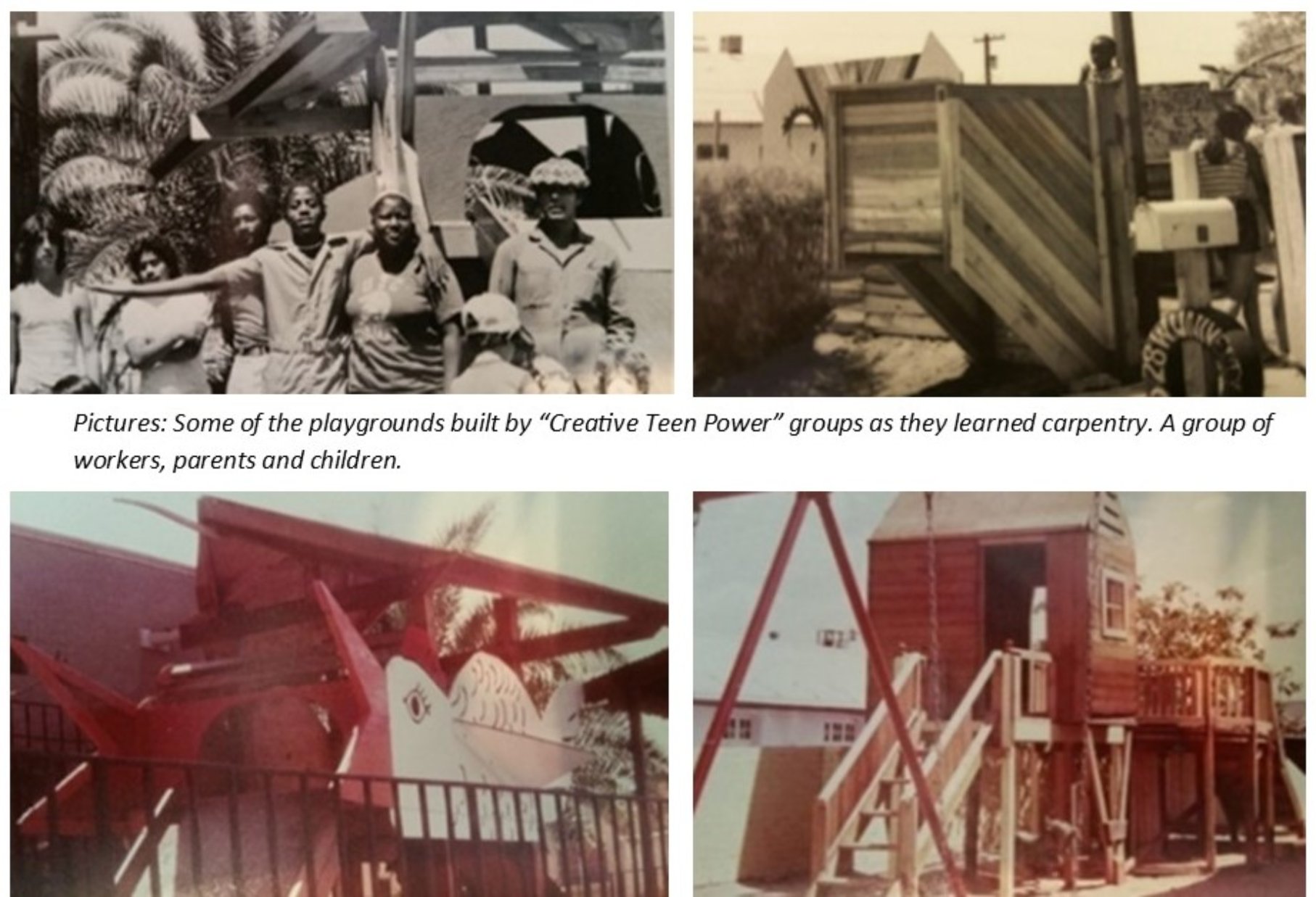 I didn’t lose my job, and she agreed to have three males. The first group was up and running for three months, building fences, playgrounds, and basic furniture. They were so successful that we expanded it to three groups. I hired two other teachers, and each were responsible for ten kids. Never one to let good things alone, I told the president of the program that I wanted to talk to her. I had a plan, my own personal agenda.